
When people think of Asian coffee culture, countries like Japan, South Korea, and Indonesia often come to mind. From minimalist cafés in Tokyo to trendy coffee shops in Seoul and traditional kopi stalls in Southeast Asia, Asia has developed some of the world's most unique coffee experiences.
However, Vietnamese coffee stands apart. Known for its intense flavor, unique brewing methods, and deep connection to everyday life, Vietnamese coffee is more than just a drink — it is a cultural tradition shaped by history, climate, and creativity.
A Coffee Culture Shaped by History
Vietnam's relationship with coffee began during the French colonial period in the 19th century. The French introduced coffee plants to Vietnam, believing the country's tropical climate and highland regions were ideal for cultivation.
Over time, Vietnam transformed coffee from a foreign introduction into something distinctly Vietnamese. Instead of simply adopting European coffee habits, Vietnamese people created their own methods that matched local tastes and lifestyles.
Today, Vietnam is one of the world's largest coffee producers, especially famous for growing Robusta coffee beans, which give Vietnamese coffee its powerful flavor and high caffeine content.
Robusta Beans: The Secret Behind the Bold Flavor
One of the biggest differences between Vietnamese coffee and many other Asian coffee cultures is the use of Robusta beans.
While many specialty coffee regions focus heavily on Arabica beans, Vietnam built its coffee identity around Robusta. These beans are:
- Stronger and more bitter than Arabica
- Higher in caffeine
- Rich with earthy and nutty flavors
- Able to handle Vietnam's traditional brewing style
The result is a coffee that is bold, intense, and designed to stand out — even when mixed with sweeteners or milk.
The Iconic Vietnamese Phin Filter
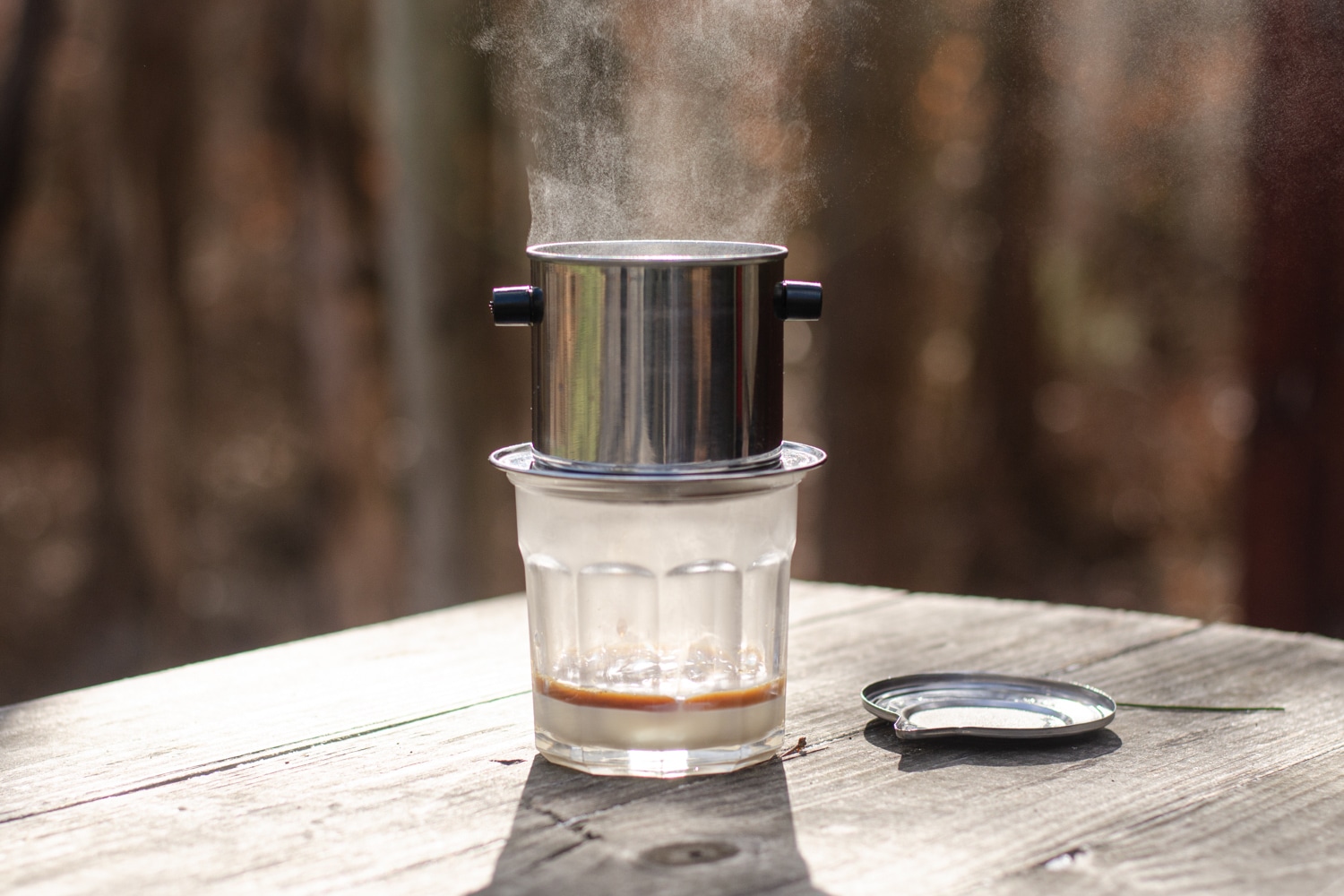
Perhaps the most recognizable feature of Vietnamese coffee is the phin filter.
Unlike espresso machines commonly found in modern cafés around the world, the phin is a small metal drip filter placed directly on top of a glass or cup. Coffee grounds slowly drip through the filter, creating a rich and concentrated drink.
The process is intentionally slow. A cup of Vietnamese coffee can take several minutes to brew, encouraging people to sit, relax, and enjoy the moment.
This slower approach contrasts with the fast-paced coffee cultures found in many major cities, where coffee is often designed for convenience.
Why Condensed Milk Changed Everything
One of the most famous Vietnamese coffee creations is cà phê sữa đá, or Vietnamese iced coffee with condensed milk.
When fresh milk was historically difficult to access in Vietnam, condensed milk became a practical alternative. Instead of weakening the strong Robusta coffee, the sweetness balanced its bitterness and created a completely new flavor profile.
The combination of:
- Strong dark coffee
- Sweet condensed milk
- Ice
- A slow brewing process
created one of Asia's most recognizable coffee drinks.
Vietnamese Coffee vs. Other Asian Coffee Cultures
Vietnam is not the only Asian country with a unique coffee tradition. Across the continent, coffee reflects local history and preferences.
Japan
Japanese coffee culture often focuses on precision, craftsmanship, and presentation. Pour-over methods, carefully designed cafés, and attention to detail are central to the experience.
Vietnamese coffee, on the other hand, focuses more on intensity and social connection.
South Korea
South Korea has developed a modern café culture filled with stylish interiors, specialty drinks, and social experiences. Coffee shops often function as places to work, study, or meet friends.
Vietnamese cafés are also social spaces, but traditional coffee culture is often more relaxed, with people spending long periods sitting outdoors and watching daily life unfold.
Indonesia
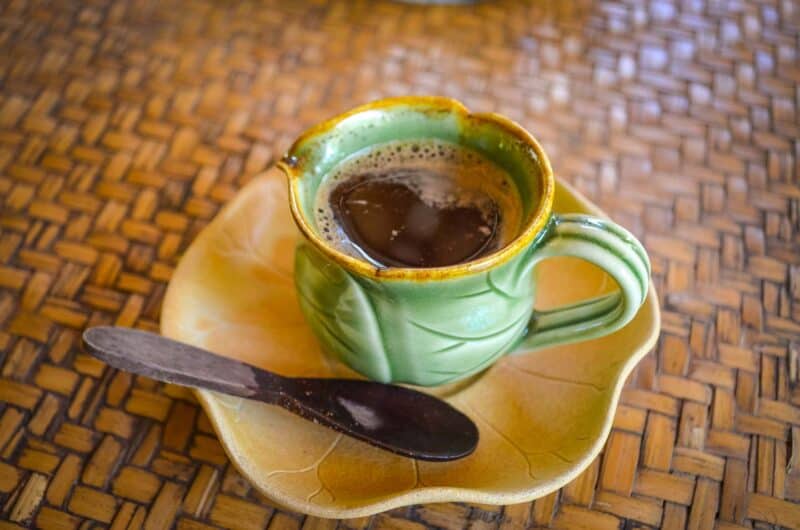
Indonesia is another major coffee-producing nation, famous for unique beans and traditional drinks like kopi tubruk. Indonesian coffee often highlights regional flavors and local preparation methods.
Vietnam's identity is more strongly connected to the combination of Robusta beans, condensed milk, and the phin brewing style.
Coffee as Part of Vietnamese Daily Life
In Vietnam, coffee is not just a morning drink. It is part of everyday social culture.
Street-side cafés, small neighborhood coffee shops, and outdoor seating areas are common gathering places. Friends meet over coffee, businesses discuss ideas, and people take breaks from busy city life.
Cities like Hanoi and Ho Chi Minh City are known for their vibrant café scenes, where traditional coffee shops exist alongside modern specialty cafés.
Modern Vietnamese Coffee Is Evolving
While traditional Vietnamese coffee remains popular, a new generation of Vietnamese baristas and café owners are experimenting with new ideas.
Modern trends include:
- Specialty Vietnamese-grown Arabica beans
- Creative coffee desserts
- Coconut coffee
- Egg coffee
- Modern café designs
- Sustainable farming practices
Vietnamese coffee is no longer only known for strong iced coffee — it is becoming part of the global specialty coffee movement.
Why Vietnamese Coffee Stands Out
Vietnamese coffee is different because it represents adaptation and creativity. It took influences from another culture and transformed them into something completely unique.
From the powerful Robusta beans to the slow phin filter and the famous condensed milk combination, Vietnamese coffee reflects the country's history, environment, and lifestyle.
While other Asian coffee cultures may focus on elegance, technology, or tradition, Vietnamese coffee celebrates bold flavors and meaningful moments.
A cup of Vietnamese coffee is not just something you drink — it is an experience that tells the story of Vietnam itself.
Want to write on MochiiCorp?
Join MochiiCorp as a contributor and showcase your unique voice while sharing stories, insights, and trends across Asian inspired culture, technology, and lifestyle.
You May Like

Pho is one of Vietnam’s most beloved dishes, known for its fragrant broth, tender noodles, fresh…
Kuala Lumpur is a dream destination for food lovers. As Malaysia’s multicultural capital, the city…
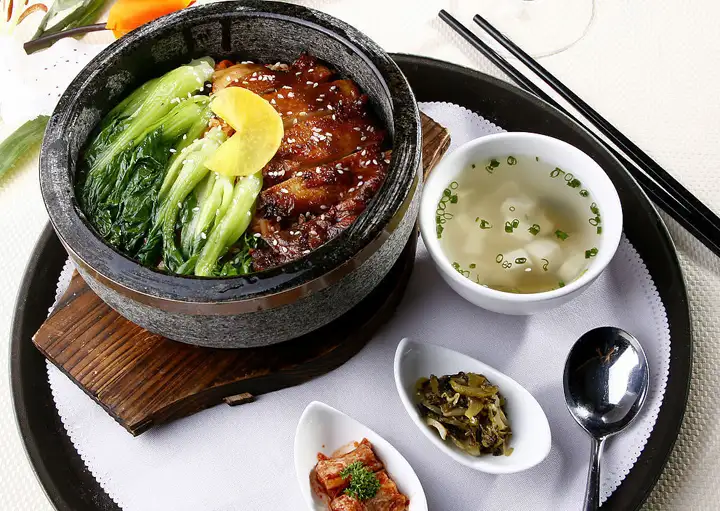
North Korean cuisine is shaped by the country's geography, history, agriculture, and limited access…
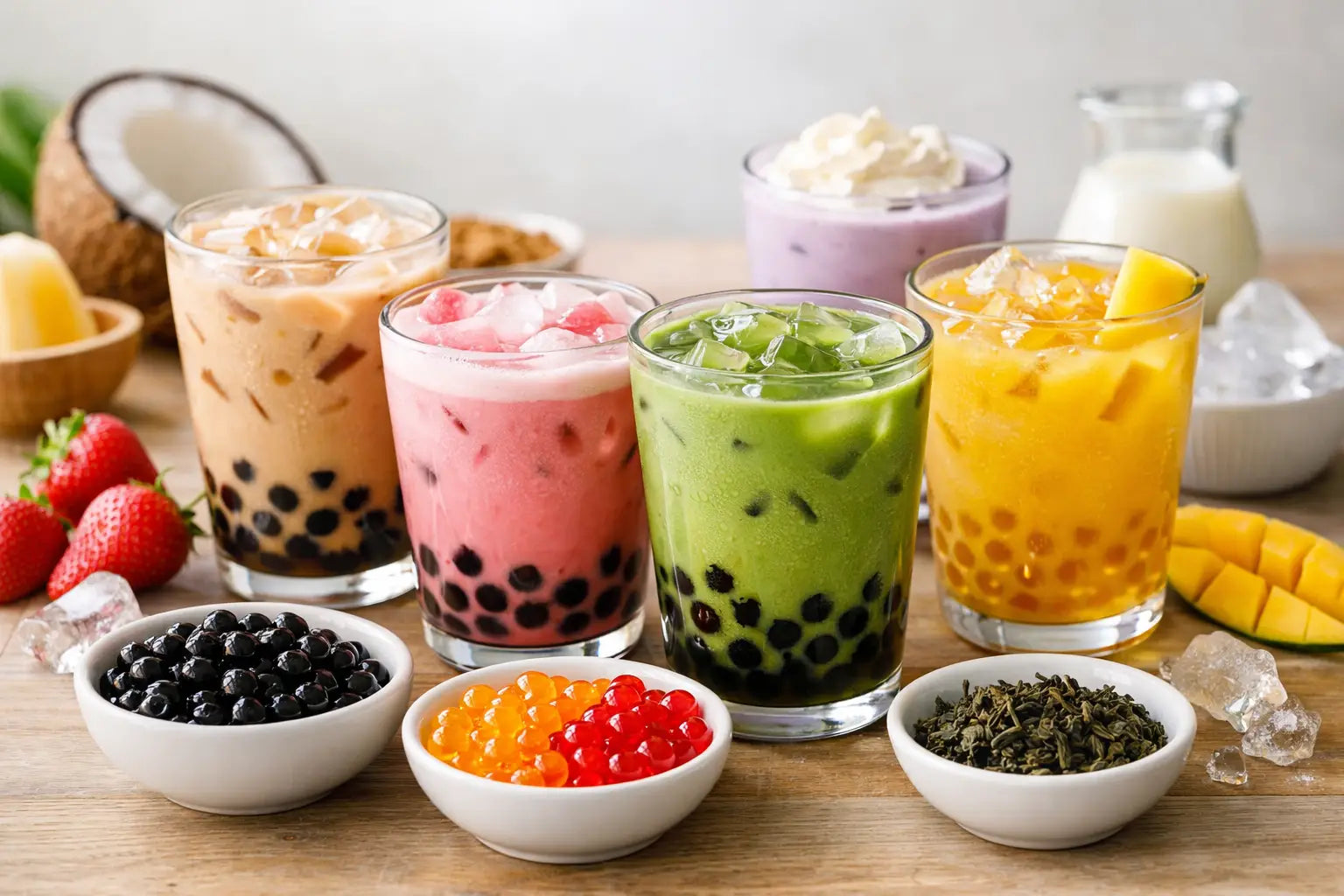
Bubble tea, also known as boba tea, is one of Asia's most popular drinks—and you don't need to visit…
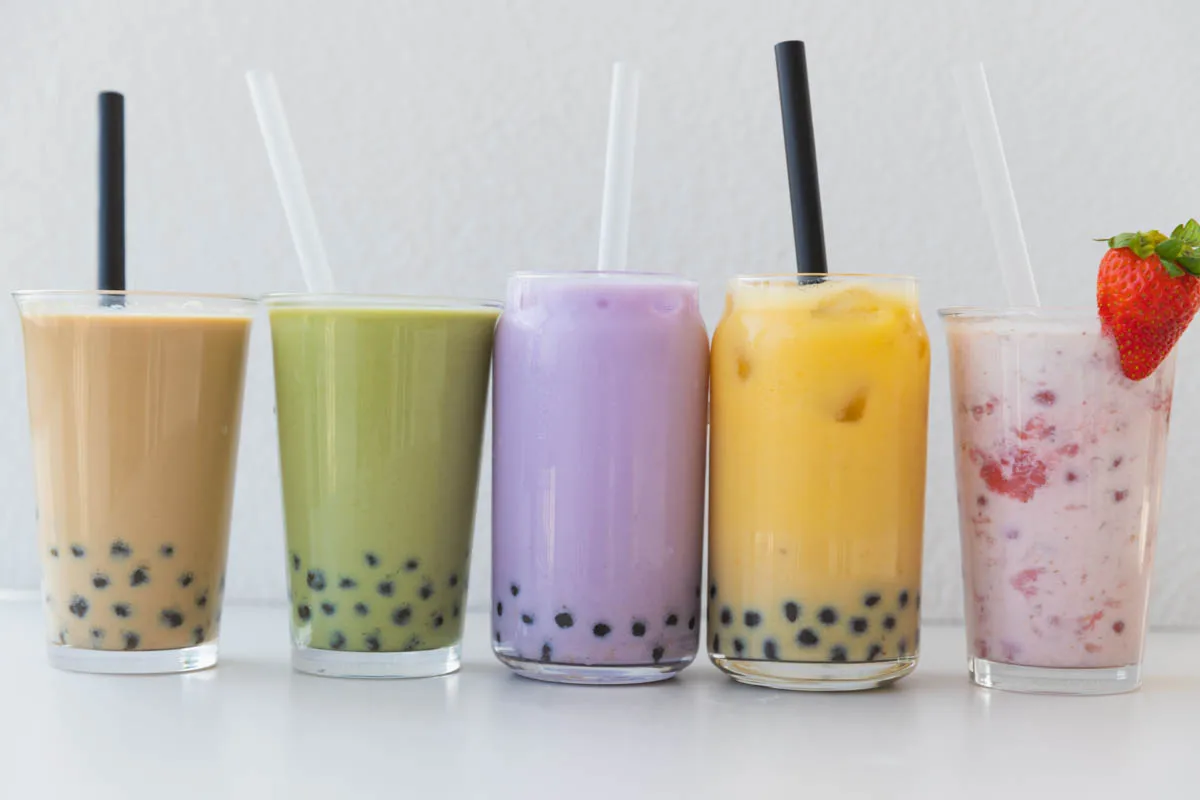
Bubble tea has grown from a beloved Taiwanese street drink into one of the world's most recognizable…
Although North and South Korea share thousands of years of culinary history, decades of separation…
One of the best ways to experience a new country is through its street food. From bustling night…
Japan is famous for its incredible food, but its drinks are just as exciting. Whether you're walking…