
South Korea is widely recognized as one of the world's most technologically advanced countries. From smartphones and high-speed internet to smart homes, digital payments, and AI-powered services, technology has become deeply integrated into everyday Korean life.
But Korean technology is about more than impressive gadgets. It has changed how people communicate, travel, shop, work, eat, and entertain themselves. Here's a closer look at how technology shapes daily life in South Korea.
1. High-Speed Internet Is Part of Daily Life
South Korea has long been known for its fast and widely available internet infrastructure. Reliable connectivity makes it easy for people to stream entertainment, communicate online, work remotely, and access digital services throughout the day.
Public spaces such as cafés, transportation hubs, and businesses commonly provide internet access, while widespread mobile connectivity keeps people online even when they are away from home.
For many Koreans, being connected isn't a special convenience—it is simply an expected part of modern life.
2. Smartphones Have Become Everyday Tools
Smartphones in South Korea are used for far more than phone calls and messages.
People rely on them for:
- Mobile banking
- Digital payments
- Navigation
- Food delivery
- Shopping
- Public transportation
- Social media
- Entertainment
- Work and education
A single smartphone can replace many traditional items and services. Instead of carrying cash, paper maps, transit cards, and physical loyalty cards, people can manage many aspects of daily life from one device.
3. Digital Payments Make Shopping Easier
Cashless payments are increasingly common in South Korea. Consumers can pay for products and services using smartphones, cards, and other digital payment methods.
This has made transactions faster and more convenient, particularly in urban areas.
Digital payment systems also connect naturally with online shopping, food delivery, transportation, and banking. The result is an ecosystem where many everyday activities can be completed with just a few taps.
4. Technology Has Transformed Public Transportation
South Korea's transportation systems demonstrate how technology can improve everyday mobility.
In cities such as Seoul, commuters can use digital transportation cards and smartphone applications to navigate buses, trains, and subway systems. Transit apps provide information about routes, arrival times, transfers, and service changes.
Navigation technology also makes it easier for residents and visitors to find efficient routes through busy cities.
Technology doesn't eliminate the complexity of urban transportation, but it makes that complexity much easier to manage.
5. Food Delivery Has Become Highly Digital
Food delivery is another area where technology has dramatically changed consumer habits.
Instead of calling a restaurant, customers can browse menus, place orders, pay electronically, and monitor deliveries through mobile applications.
This creates a remarkably convenient experience. Restaurants can also use digital platforms to reach customers without relying entirely on traditional storefront traffic.
The combination of smartphones, online platforms, digital payments, and delivery infrastructure has helped create a highly developed food-delivery culture.
6. Smart Homes Are Becoming More Common
Technology is also entering Korean homes.
Smart appliances and connected home systems can allow residents to control lighting, heating, security devices, televisions, and other equipment through digital interfaces.
Modern appliances may also include features such as remote monitoring, energy management, automation, and connectivity with smartphones.
As artificial intelligence becomes more capable, smart-home technology is increasingly moving from simple remote controls toward systems that can respond to users' habits and preferences.
7. Entertainment Is Driven by Technology
South Korea's entertainment industry is another major example of technology's influence.
K-pop, Korean dramas, online gaming, webtoons, and streaming platforms have become global cultural phenomena. Digital technology allows Korean entertainment to reach audiences around the world almost instantly.
For Korean consumers, technology also makes entertainment highly interactive. People can stream music and television, participate in online communities, play multiplayer games, and follow celebrities through social platforms.
The boundary between entertainment and technology has therefore become increasingly blurred.
8. Artificial Intelligence Is Expanding
Artificial intelligence is becoming an increasingly important part of Korea's technology landscape.
AI can be found in areas such as:
- Translation
- Customer service
- Recommendation systems
- Education
- Smart devices
- Healthcare technology
- Manufacturing
- Transportation
- Business software
For consumers, some of these applications may be almost invisible. Recommendation algorithms, voice assistants, automated customer-service systems, and personalized digital services can operate in the background while people go about their daily routines.
9. Technology Supports a Fast-Paced Lifestyle
One of the most noticeable effects of technology is speed.
Ordering food, transferring money, finding directions, purchasing products, booking services, and communicating with other people can often happen within minutes.
This convenience fits naturally into South Korea's highly urbanized environment, where large numbers of people live and work in densely populated cities.
Technology helps reduce friction in everyday tasks, allowing people to accomplish more without spending as much time on routine activities.
10. The Influence Goes Beyond South Korea
Korean technology doesn't only shape life inside the country. It also influences consumers around the world.
South Korean companies have become major players in smartphones, electronics, semiconductors, displays, automobiles, batteries, and other technology sectors.
At the same time, Korean digital culture has become increasingly influential internationally. K-pop, Korean games, webtoons, streaming content, and beauty technology have introduced global audiences to products and digital experiences developed in Korea.
The Future of Everyday Technology in Korea
South Korea's relationship with technology continues to evolve.
Faster networks, artificial intelligence, robotics, smart cities, autonomous transportation, and connected devices are likely to become increasingly visible in everyday life.
The most interesting aspect is not necessarily any individual invention. It is the way different technologies work together.
A smartphone can connect to a payment system, transportation network, delivery platform, smart-home device, and entertainment service. These interconnected systems create an environment where technology becomes a natural part of everyday routines.
Korean technology shapes everyday life by making communication, transportation, shopping, entertainment, and countless other activities faster and more connected.
What makes South Korea particularly interesting is how deeply technology has been integrated into ordinary routines. For many people, advanced technology isn't something they consciously think about—it simply works in the background.
As artificial intelligence, robotics, and connected devices continue to develop, South Korea offers an interesting glimpse into what increasingly digital everyday life could look like around the world.
Want to write on MochiiCorp?
Join MochiiCorp as a contributor and showcase your unique voice while sharing stories, insights, and trends across Asian inspired culture, technology, and lifestyle.
You May Like

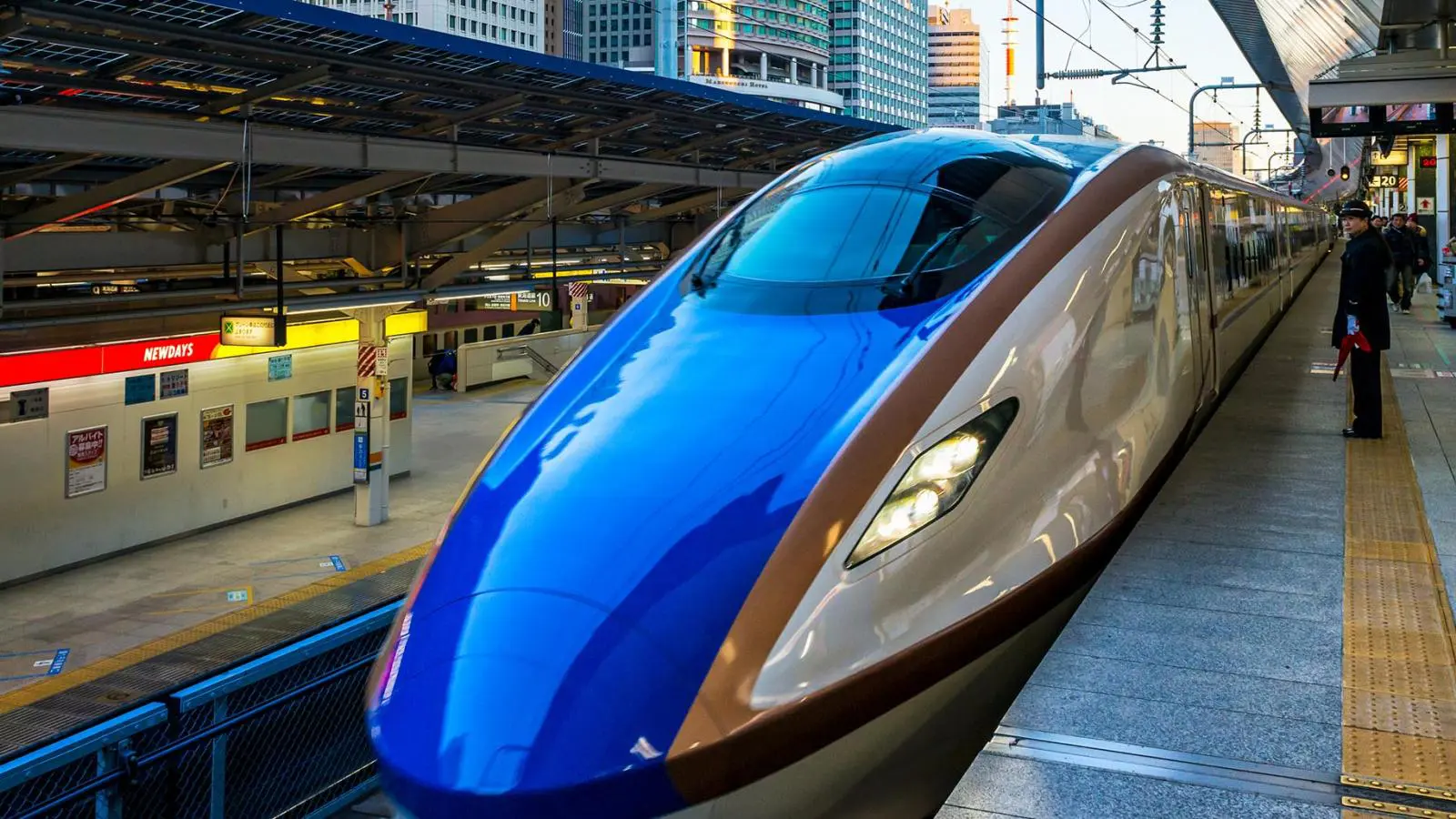
Across Asia, high-speed rail is transforming the way people travel, work, and connect with one…
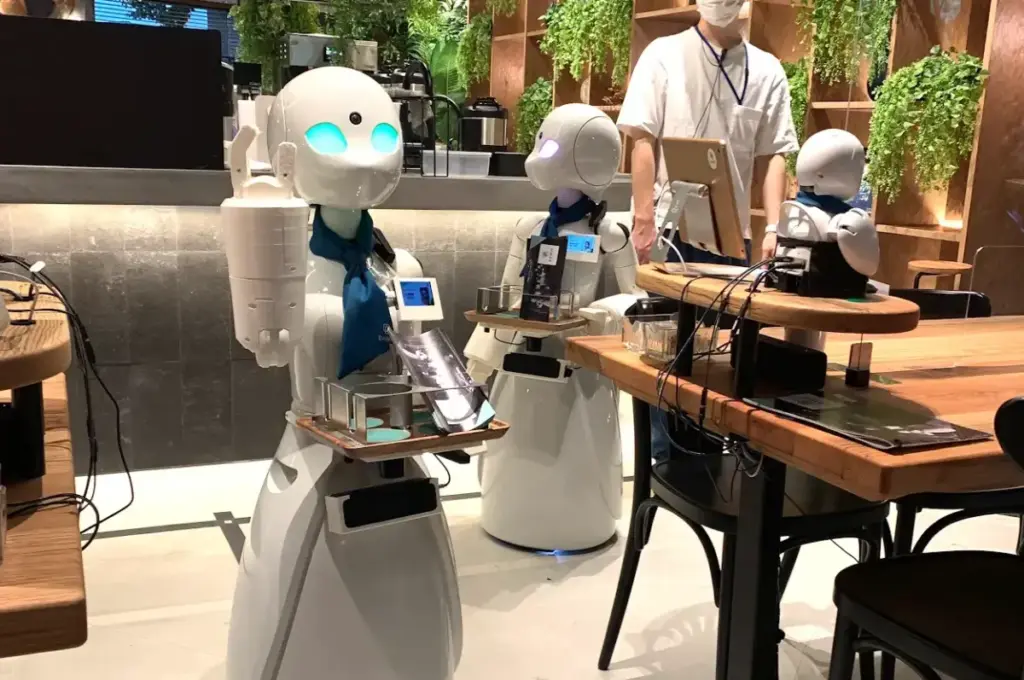
Japan is famous for blending cutting edge technology with everyday life, and few places showcase…
Malaysia has quietly transformed into one of Southeast Asia’s most promising startup ecosystems…

When people think of global technology hubs, names like Silicon Valley, Shenzhen, Seoul, and Tokyo…
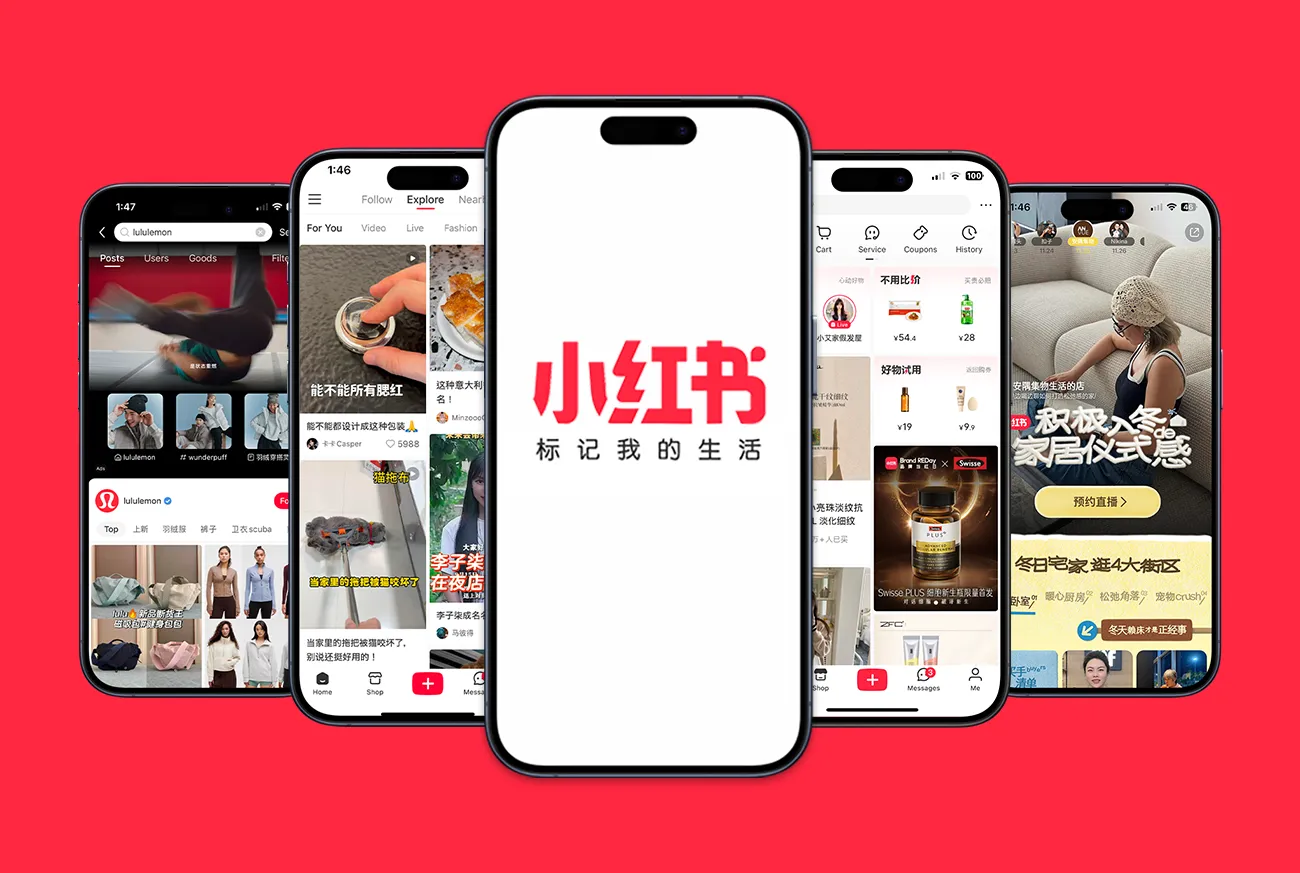
Thinking about trying Xiaohongshu but don't know where to start? This guide explains what…
Artificial intelligence (AI) is no longer something reserved for science fiction or research labs…
Semiconductors are the foundation of modern technology. They power smartphones, laptops, gaming…

When people think of technological innovation, South Korea is often one of the first countries that…