
The history between China and the United States is long, complex, and shaped by trade, diplomacy, war, ideology, and cultural exchange. Although the two countries have often been rivals, they have also cooperated at important moments. Their relationship has changed dramatically over the past two centuries, and it continues to influence global politics and the world economy.
Early connections and trade
The relationship between China and the United States began in the late 18th century. After the American Revolution, American merchants began trading with China, particularly through the port of Guangzhou. American traders were interested in Chinese goods such as tea, silk, and porcelain, while China had demand for American products and silver.
During the 19th century, however, the relationship became more complicated. The United States became involved in the growing Western commercial presence in China. Like other Western powers, American businesses benefited from China's unequal treaty system after the Opium Wars, although the United States did not fight in those wars.
American missionaries also traveled to China during this period, establishing schools, hospitals, and churches. At the same time, Chinese immigrants began arriving in the United States, especially during the California Gold Rush and the construction of the transcontinental railroad.
Chinese immigration and discrimination
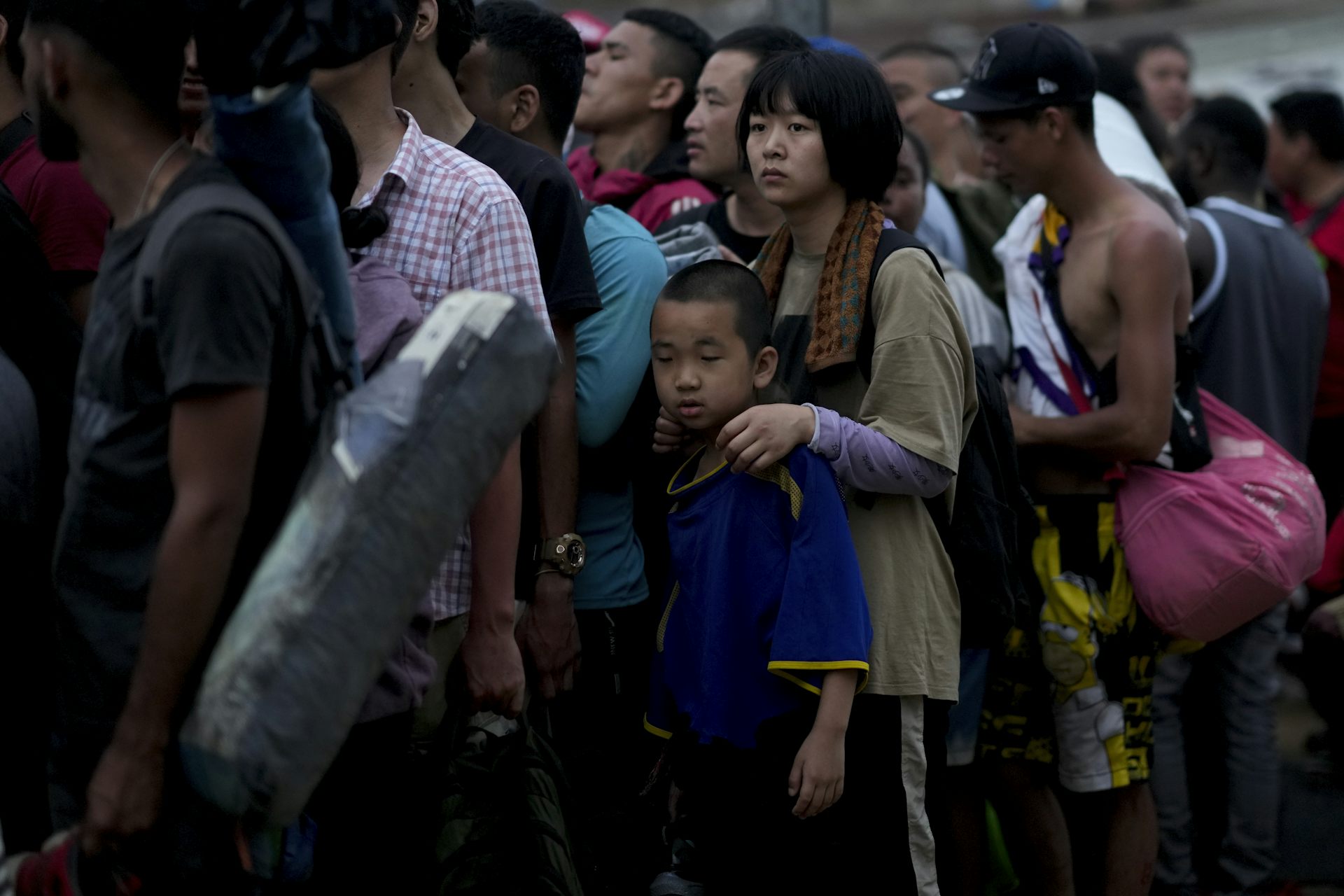
Chinese immigrants played an important role in the development of the American West, but they faced widespread discrimination. Anti-Chinese sentiment became particularly strong in the late 19th century.
In 1882, the United States passed the Chinese Exclusion Act, which restricted Chinese immigration and prohibited many Chinese laborers from entering the country. It was one of the most significant examples of racial exclusion in American immigration history.
The exclusion policies remained in place for decades and contributed to the development of Chinese American communities that faced significant legal and social barriers.
China, the United States, and World War II
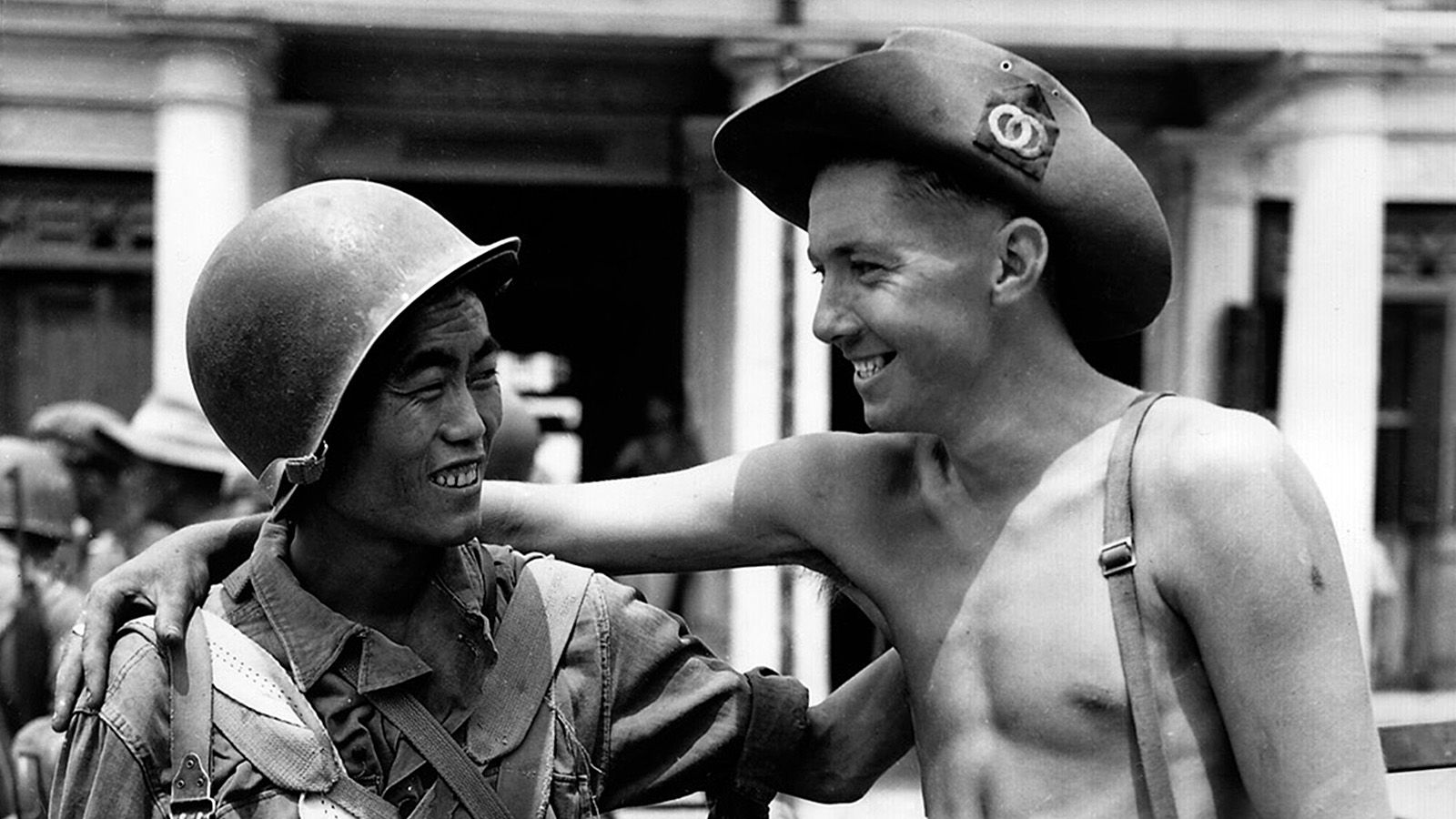
Relations between China and the United States improved during the Second World War. After Japan invaded China in the 1930s and later attacked the United States at Pearl Harbor in 1941, China and the United States became allies against Japan.
The United States provided economic and military assistance to China, while American forces fought Japanese forces across the Asia-Pacific region. Chinese and American cooperation during the war created a foundation for closer relations, although disagreements between the two countries would soon emerge.
The Communist Revolution and the Cold War
A major turning point came in 1949, when Mao Zedong and the Chinese Communist Party established the People's Republic of China after defeating the Nationalist government in the Chinese Civil War.
The Nationalist government, led by Chiang Kai-shek, retreated to Taiwan and continued to claim to represent China. The United States recognized the Nationalist government in Taiwan rather than the communist government in Beijing for many years.
The relationship between Washington and Beijing became even more hostile after the outbreak of the Korean War in 1950. Chinese and American forces fought on opposing sides, making China and the United States major Cold War adversaries.
For much of the 1950s and 1960s, diplomatic relations were extremely limited. The United States imposed restrictions on trade with communist China, while China viewed the United States as a major threat.
The opening of relations
Relations began to change dramatically in the early 1970s. Both countries had strategic reasons to improve their relationship. China wanted to counter the influence of the Soviet Union, while the United States saw an opportunity to reshape the balance of power during the Cold War.
In 1971, the United States and China began a historic diplomatic opening. In 1972, President Richard Nixon visited China, becoming the first sitting U.S. president to visit the People's Republic of China.
The two countries formally established diplomatic relations on January 1, 1979. The United States also recognized the People's Republic of China as the government of China while maintaining unofficial relations with Taiwan.
This period marked one of the most important changes in modern international diplomacy.
Economic growth and increasing trade
During the late 20th century, economic relations between China and the United States expanded rapidly. China's economic reforms, beginning under Deng Xiaoping in the late 1970s, opened the country to foreign investment and international trade.
American companies increasingly invested in China, while Chinese exports to the United States grew substantially. The two countries became deeply connected through global supply chains.
China's entry into the World Trade Organization in 2001 accelerated this economic integration. American consumers gained access to large quantities of relatively inexpensive Chinese manufactured goods, while China became one of the world's largest trading nations.
However, economic interdependence also created disagreements over issues such as tariffs, intellectual property, market access, technology, and trade practices.
Growing tensions in the 21st century
In the 21st century, China and the United States have increasingly become strategic competitors.
One major area of disagreement is Taiwan. The United States recognizes the People's Republic of China diplomatically but maintains unofficial relations with Taiwan and provides it with defensive weapons. China considers Taiwan part of its territory and opposes foreign support for Taiwanese independence.
The South China Sea has also become an important source of tension. China claims extensive areas of the sea, while the United States conducts military operations and supports freedom of navigation in international waters.
Technology has become another major area of competition. Both countries want leadership in fields such as artificial intelligence, semiconductors, telecommunications, and advanced manufacturing.
The trade war
Tensions became particularly visible during the administration of President Donald Trump. Beginning in 2018, the United States imposed tariffs on large amounts of Chinese imports, arguing that China's trade practices were unfair and that China had harmed American industries.
China responded with tariffs on American products.
The resulting U.S.-China trade war affected businesses and consumers in both countries. Although the two governments reached a partial trade agreement in 2020, many of the underlying disagreements remained unresolved.
Relations today
Today, China and the United States have one of the world's most important and complicated bilateral relationships.
The two countries remain major trading partners and are connected through investment, education, tourism, science, and global supply chains. At the same time, they compete for influence in Asia and around the world.
Their disagreements include Taiwan, military power, technology, human rights, trade, cybersecurity, and China's relationship with other countries. Yet cooperation remains important on issues such as climate change, global economic stability, and international security.
The history between China and the United States has moved through several distinct periods: early trade and immigration, conflict and discrimination, wartime cooperation, Cold War hostility, diplomatic normalization, economic integration, and growing strategic competition.
The relationship is unlikely to be defined entirely by either friendship or conflict. Instead, China and the United States are deeply connected while also competing for economic, technological, and geopolitical influence.
Understanding their shared history is essential for understanding international affairs today. The decisions made by China and the United States will continue to have consequences not only for their own citizens, but also for countries around the world.
Want to write on MochiiCorp?
Join MochiiCorp as a contributor and showcase your unique voice while sharing stories, insights, and trends across Asian inspired culture, technology, and lifestyle.
You May Like


In Indonesia, there is a cultural tradition that represents cooperation, community, and helping one…

Family is at the heart of Filipino culture. Whether living in the Philippines or abroad, many…
Singapore is one of the most unique places to live in Asia. Known for its modern skyline, excellent…
Vietnam is a country where ancient traditions and modern ambitions exist side by side. Two cities…

If you've ever watched a Japanese apartment tour on YouTube or scrolled through social media, you've…

Disclaimer: While Saipan is a U.S. Commonwealth located in the Northern Mariana Islands and is not…

Southeast Asia has become one of the world's most popular regions for digital nomads. Affordable…

For generations, many Asian societies have placed a strong emphasis on family living…