
Nintendo is one of the most recognizable names in gaming, but few people realize that the company's story began long before video games even existed. From handmade playing cards in 19th-century Japan to creating some of the world's most beloved gaming franchises, Nintendo's journey is a remarkable tale of innovation, adaptation, and creativity.
Let's take a look at how Nintendo evolved from a small card company into one of the biggest names in entertainment.
Humble Beginnings (1889)
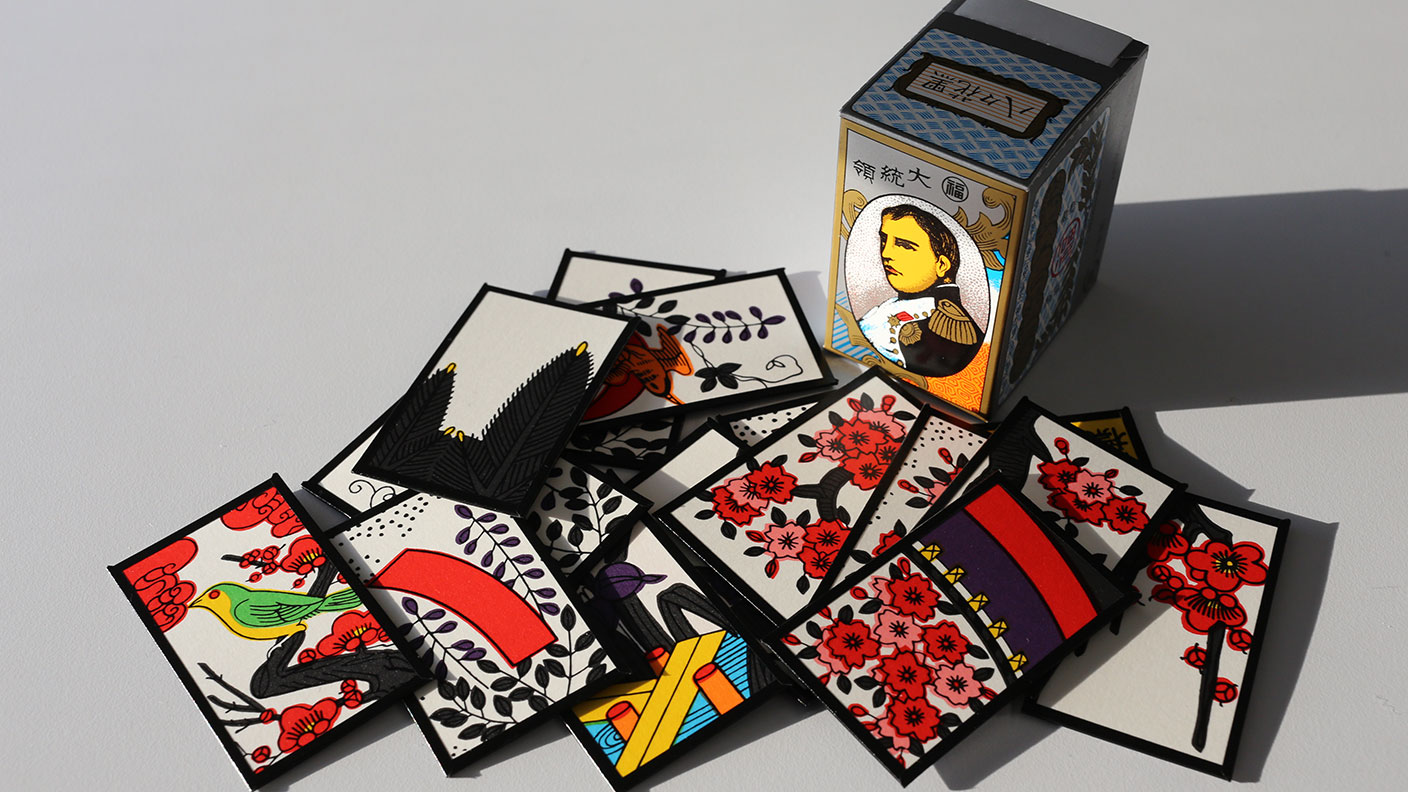
Nintendo was founded on September 23, 1889, in Kyoto, Japan, by Fusajiro Yamauchi. The company originally produced Hanafuda playing cards, beautifully illustrated cards used in traditional Japanese games.
At the time, Western-style playing cards had been restricted in Japan, making Hanafuda a popular alternative. Nintendo's high-quality craftsmanship quickly earned it a reputation for producing some of the finest cards in the country.
For decades, Nintendo remained a successful playing card manufacturer.
Experimenting Beyond Cards
By the 1950s and 1960s, under the leadership of Hiroshi Yamauchi, Nintendo realized that the playing card business had limited growth potential.
The company experimented with a surprising variety of businesses, including:
- Taxi services
- Instant rice
- Love hotels
- Toys
- Vacuum cleaners
Most of these ventures were unsuccessful, but they taught Nintendo an important lesson: innovation often requires taking risks.
Eventually, Nintendo decided to focus on toys, a move that would change the company's future.
The Toy Revolution
Nintendo hired a maintenance engineer named Gunpei Yokoi, whose inventive spirit would become legendary.
One day, Hiroshi Yamauchi noticed Yokoi playing with an extendable mechanical arm during a factory inspection. Rather than dismissing it as a distraction, Yamauchi saw its commercial potential.
The result was the Ultra Hand, released in 1966.
The toy became a massive success, selling over a million units and proving Nintendo could compete outside the card business.
Yokoi would later become one of the most influential designers in gaming history.
Entering the Arcade Market
During the 1970s, Nintendo began experimenting with electronic entertainment.
The company produced arcade machines and electronic toys while learning the rapidly growing world of digital technology.
One of the biggest turning points came in 1981 with the release of:
Donkey Kong
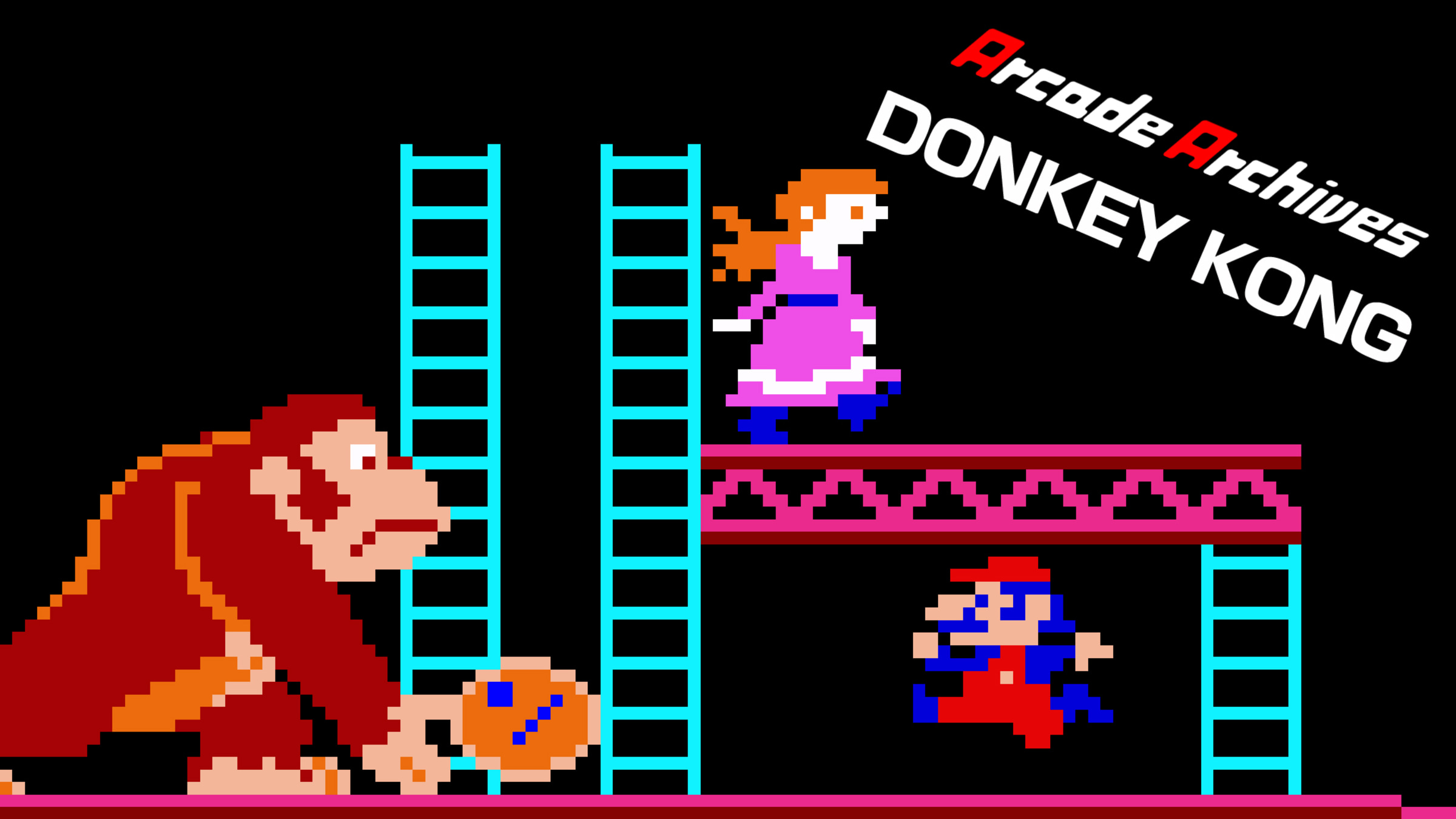
Designed by a young artist named Shigeru Miyamoto, Donkey Kong introduced players to a carpenter originally known as Jumpman, who would later become Mario.
The arcade game became a worldwide sensation and established Nintendo as a serious player in the video game industry.
The Birth of the NES

Following the video game crash of 1983, many believed the home console market was dead.
Nintendo thought otherwise.
In Japan, the company released the Family Computer (Famicom) in 1983.
Two years later, it arrived in North America as the Nintendo Entertainment System (NES).
The NES revived the gaming industry thanks to strict quality control and unforgettable games like:
- Super Mario Bros.
- The Legend of Zelda
- Metroid
- Kid Icarus
- Punch-Out!!
Nintendo also introduced the Nintendo Seal of Quality, helping restore consumer confidence after the crash.
Game Boy Changes Everything
In 1989, Gunpei Yokoi once again revolutionized gaming with the Game Boy.
Unlike more powerful competitors, the Game Boy focused on:
- Long battery life
- Durability
- Affordable pricing
Its launch title, Tetris, became one of the most successful games ever made.
The Game Boy would go on to sell over 118 million units when combined with the Game Boy Color.
The 3D Revolution
The mid-1990s marked another major milestone.
Nintendo 64 (1996)
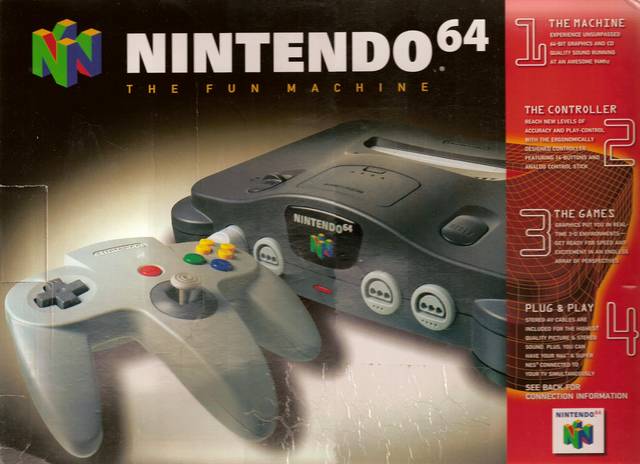
The Nintendo 64 introduced players to fully 3D worlds with games such as:
- Super Mario 64
- The Legend of Zelda: Ocarina of Time
- Mario Kart 64
- GoldenEye 007
Super Mario 64 essentially established the blueprint for 3D platformers that developers still follow today.
Pokémon Takes the World by Storm

Released in 1996 for the Game Boy, Pokémon Red and Green became a cultural phenomenon.
The franchise quickly expanded into:
- Trading cards
- Anime
- Movies
- Merchandise
- Mobile games
Today, Pokémon is one of the highest-grossing media franchises in history.
The GameCube Era
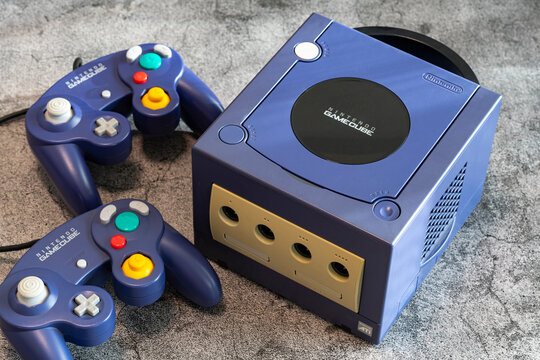
The Nintendo GameCube, released in 2001, featured impressive hardware and memorable titles such as:
- Super Smash Bros. Melee
- Metroid Prime
- Pikmin
- Luigi's Mansion
- The Legend of Zelda: The Wind Waker
Although it sold fewer units than the PlayStation 2, it earned a loyal fanbase and remains beloved by many gamers.
Nintendo Thinks Different: The Wii
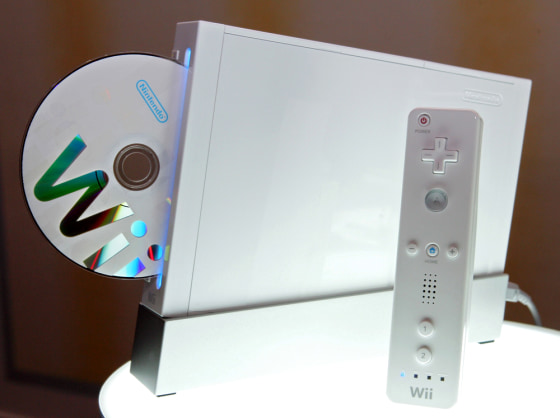
Rather than competing purely on graphics, Nintendo chose innovation.
The Wii, released in 2006, introduced motion controls that appealed to gamers and non-gamers alike.
Families, grandparents, and children all found themselves bowling, golfing, and boxing in their living rooms.
The Wii sold over 100 million consoles, becoming one of Nintendo's greatest successes.
Portable Meets Home: Nintendo Switch
In 2017, Nintendo once again changed the industry with the Nintendo Switch.
Its hybrid design allows players to:
- Play on a TV
- Continue gaming in handheld mode
- Share controllers for instant multiplayer
The Switch launched alongside The Legend of Zelda: Breath of the Wild, one of the most critically acclaimed games ever made.
The console has since become one of the best-selling gaming systems of all time, supported by blockbuster titles including:
- Animal Crossing: New Horizons
- Super Mario Odyssey
- Mario Kart 8 Deluxe
- Splatoon 3
- The Legend of Zelda: Tears of the Kingdom
Nintendo's Greatest Strength: Creativity
Throughout its history, Nintendo has rarely tried to win by having the most powerful hardware.
Instead, the company focuses on creating experiences that are fun, approachable, and memorable.
Its iconic characters have become global symbols of gaming, including:
- Mario
- Link
- Zelda
- Samus Aran
- Kirby
- Pikachu
- Donkey Kong
Rather than chasing trends, Nintendo often creates them.
Looking Toward the Future
More than 135 years after making its first Hanafuda cards, Nintendo continues to shape the future of interactive entertainment.
Whether through groundbreaking hardware, unforgettable games, or beloved characters, the company has shown an incredible ability to reinvent itself while staying true to its core philosophy: creating fun for everyone.
As gaming continues to evolve, one thing remains certain—Nintendo's next chapter is bound to be just as exciting as the last.
Nintendo's story is more than the history of a gaming company—it's the story of constant reinvention. From handcrafted playing cards in Kyoto to pioneering consoles enjoyed by millions around the globe, Nintendo has repeatedly proven that creativity and innovation can outlast changing technologies and market trends.
For generations of players, Nintendo isn't just a company; it's a source of unforgettable memories. And if history is any indication, its greatest adventures may still lie ahead.
Want to write on MochiiCorp?
Join MochiiCorp as a contributor and showcase your unique voice while sharing stories, insights, and trends across Asian inspired culture, technology, and lifestyle.
You May Like

@ALXLYNNHD

How Anime Influences Video Games
Anime and video games have shared a close relationship for decades. While both have become global…
@ALXLYNNHD
Why Most Asian Cultures Like Mobile Gaming Over Gaming on PC or Console
When people think about gaming, they often picture powerful gaming PCs, PlayStations, Xbox consoles…