
If you've ever traveled to China, one piece of advice you're likely to hear is simple: don't drink the tap water. While China has made enormous investments in water treatment infrastructure over the past few decades, many residents and visitors still prefer bottled, filtered, or boiled water instead of drinking directly from the tap.
So why is this the case? The answer involves a combination of environmental challenges, aging infrastructure, and public perception.
Water Treatment Has Improved Significantly
China has invested billions of dollars in modernizing its water treatment facilities and expanding access to clean water. Major cities such as Beijing, Shanghai, and Shenzhen operate advanced treatment plants that are capable of producing water that meets national drinking water standards.
However, producing safe water at the treatment plant is only one part of the journey.
Aging Pipe Infrastructure
One of the most commonly cited concerns is the condition of water distribution systems.
In many older neighborhoods, water travels through aging pipes that may be decades old. Corrosion, leaks, and contamination can occur as water moves from treatment facilities to homes and businesses. Even if water leaves a treatment plant in good condition, its quality can be affected before it reaches the tap.
As a result, many households choose to install water filtration systems or boil water before drinking it.
Industrial and Environmental Pollution
China's rapid industrialization has created significant environmental challenges. Over the years, some rivers, lakes, and groundwater sources have been affected by industrial waste, agricultural runoff, and urban pollution.
Although government regulations and enforcement have become stricter, concerns about water pollution continue to influence public trust. Many consumers remain cautious and prefer alternative sources of drinking water.
Public Trust and Consumer Habits
Perception plays a major role in drinking water choices.
For generations, boiling water has been a common practice in China. Many households routinely boil tap water before consumption, even when local water systems meet safety standards. This habit has become deeply ingrained in daily life.
Because bottled and filtered water are widely available, many people see little reason to drink directly from the tap.
Differences Between Cities and Regions
China is a vast country, and water quality can vary considerably from one location to another.
Large metropolitan areas often have more advanced treatment facilities and stricter monitoring systems than smaller cities or rural regions. Building maintenance standards can also differ widely.
This means that experiences with tap water may vary depending on where someone lives or travels.
What Do Residents Typically Drink?
Most Chinese residents use one of the following options:
- Boiled tap water
- Water from home filtration systems
- Bottled water
- Water from office or apartment purification systems
These alternatives are generally viewed as safer and more reliable than drinking unfiltered water directly from the tap.
Advice for Travelers
If you're visiting China, it's generally recommended to:
- Drink bottled water or filtered water.
- Use boiled water for drinking if bottled water is unavailable.
- Avoid swallowing tap water when brushing your teeth if local guidance advises against it.
- Check local recommendations, as water quality can differ by region.
Many hotels provide complimentary bottled water or electric kettles for boiling water.
The belief that tap water is unsafe throughout China is an oversimplification. China's water treatment infrastructure has improved dramatically, particularly in major cities. However, concerns about aging pipes, environmental pollution, regional disparities, and long-standing consumer habits have led many people to avoid drinking water directly from the tap.
For residents and visitors alike, boiled, filtered, or bottled water remains the preferred choice in many parts of the country.
Want to write on MochiiCorp?
Join MochiiCorp as a contributor and showcase your unique voice while sharing stories, insights, and trends across Asian inspired culture, technology, and lifestyle.
You May Like

@ALXLYNNHD
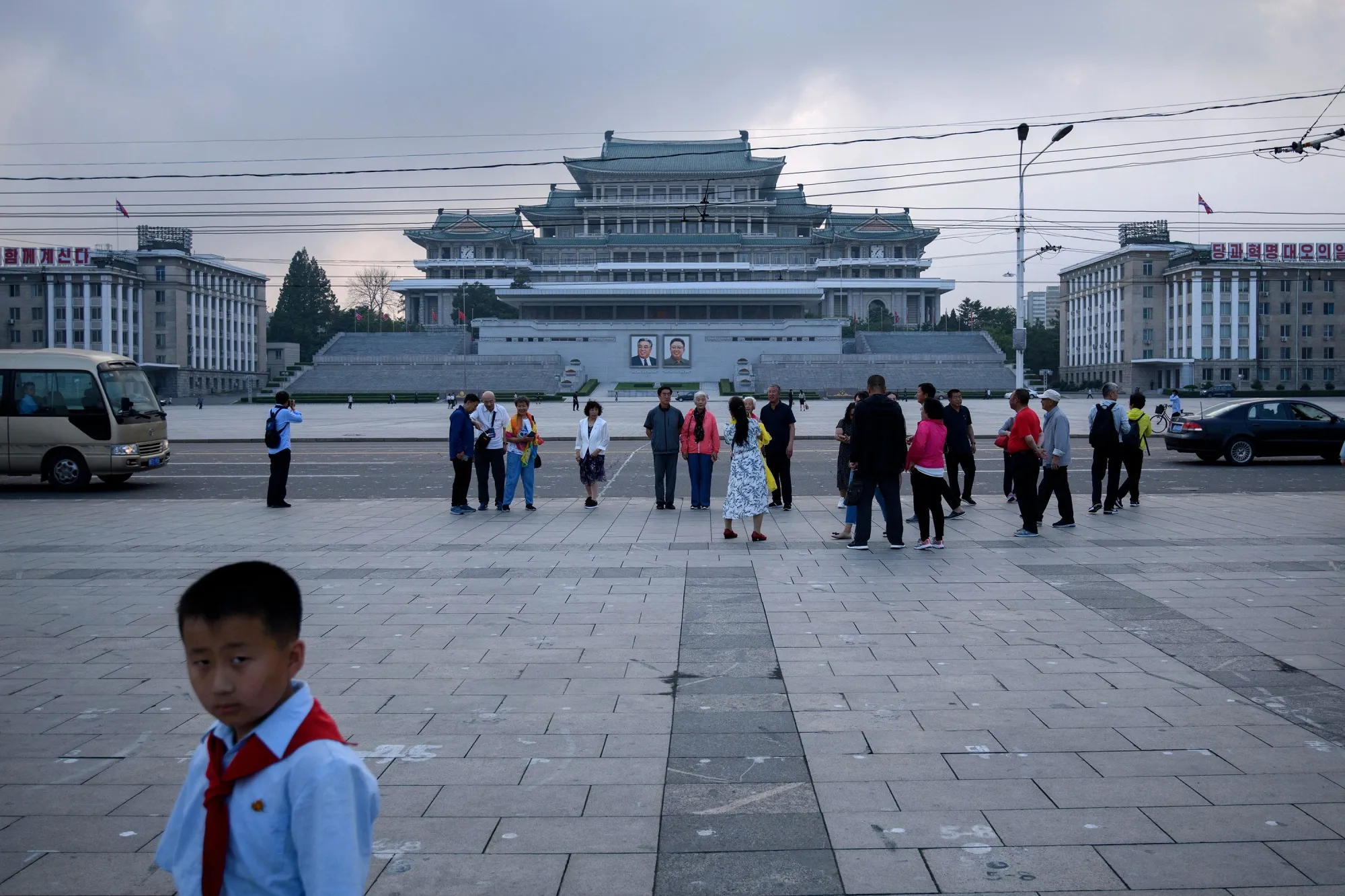
The Differences Between North and South Korean Cuisine
Although North and South Korea share thousands of years of culinary history, decades of separation…
@ALXLYNNHD
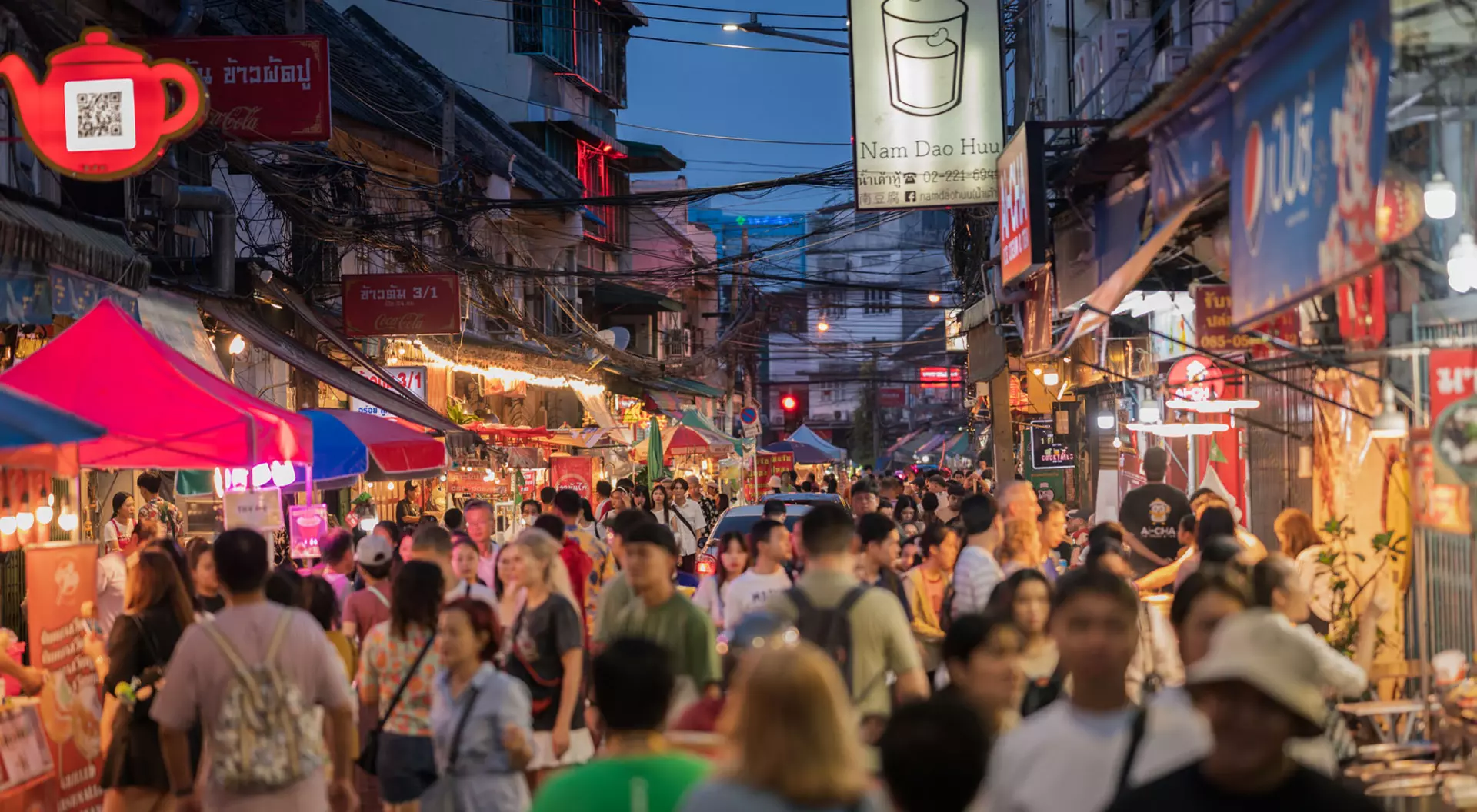
Popular Asian Street Foods Worth Traveling For
One of the best ways to experience a new country is through its street food. From bustling night…
@ALXLYNNHD
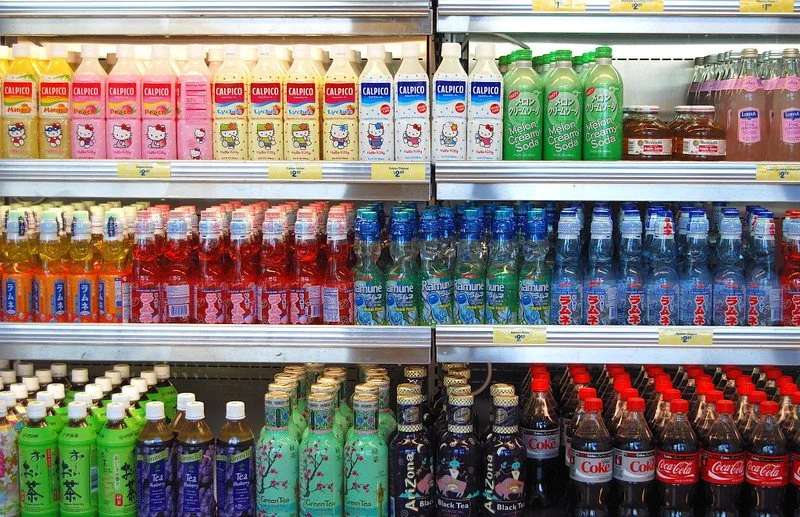
Most Popular Japanese Drinks
Japan is famous for its incredible food, but its drinks are just as exciting. Whether you're walking…
@ALXLYNNHD
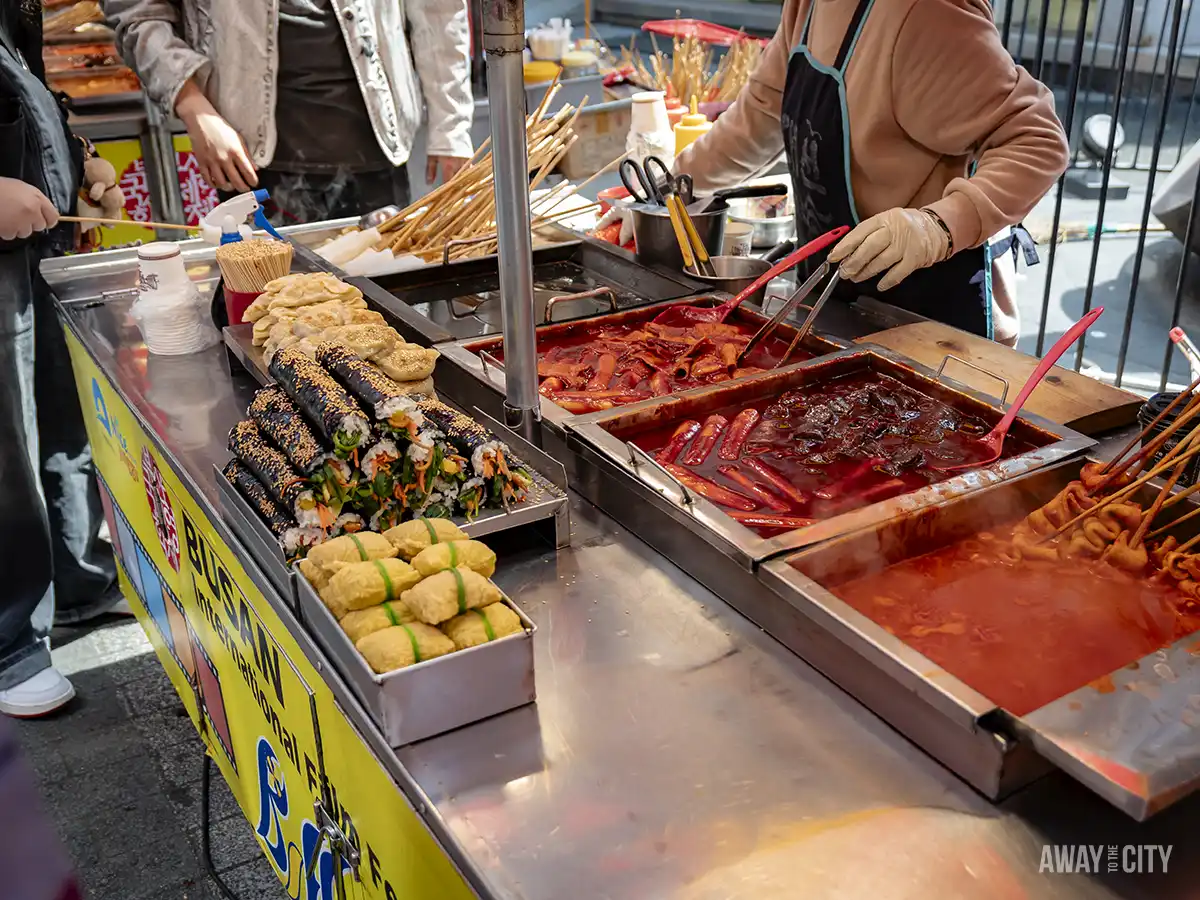
Foods You Should Try When Visiting South Korea
South Korea has become one of Asia's top travel destinations, attracting millions of visitors each…
@ALXLYNNHD
What Is Dim Sum?
If you've ever walked into a bustling Chinese restaurant filled with steaming baskets, small plates…
@ALXLYNNHD
Most Popular Mochi Flavors
Mochi is one of Japan's most beloved traditional treats, known for its soft, chewy texture and…
@ALXLYNNHD
Why Bubble Tea Became a Global Phenomenon
Bubble tea, also known as boba tea or pearl milk tea, has transformed from a local Taiwanese…
@ALXLYNNHD
The Story of PagPag: What It Is and What It Isn't
When people first hear the word pagpag, it's often accompanied by shocking headlines, viral videos…